Somewhere behind every legal broker in this country sits $75,000 that exists for exactly one reason: to pay you when they don't. Most drivers know the bond exists. Almost nobody knows what it actually covers — until they're owed money and finding out the hard way.
What the bond is
Federal law says nobody sells freight without posting $75,000 — either a surety bond (the BMC-84) or a trust fund (the BMC-85). Same protection either way: a pool of money, held by a third party, that a carrier can claim against when a broker doesn't pay a legitimate freight bill. It's been $75,000 since 2013, when the law raised it from a toothless $10,000.
That's why "bond on file" is one of the three lines our Broker Check pulls from the federal registry. No bond showing, no recourse — everything after that is a handshake.
How a claim actually goes
- You delivered, invoiced, waited out the terms, chased it. Nothing.
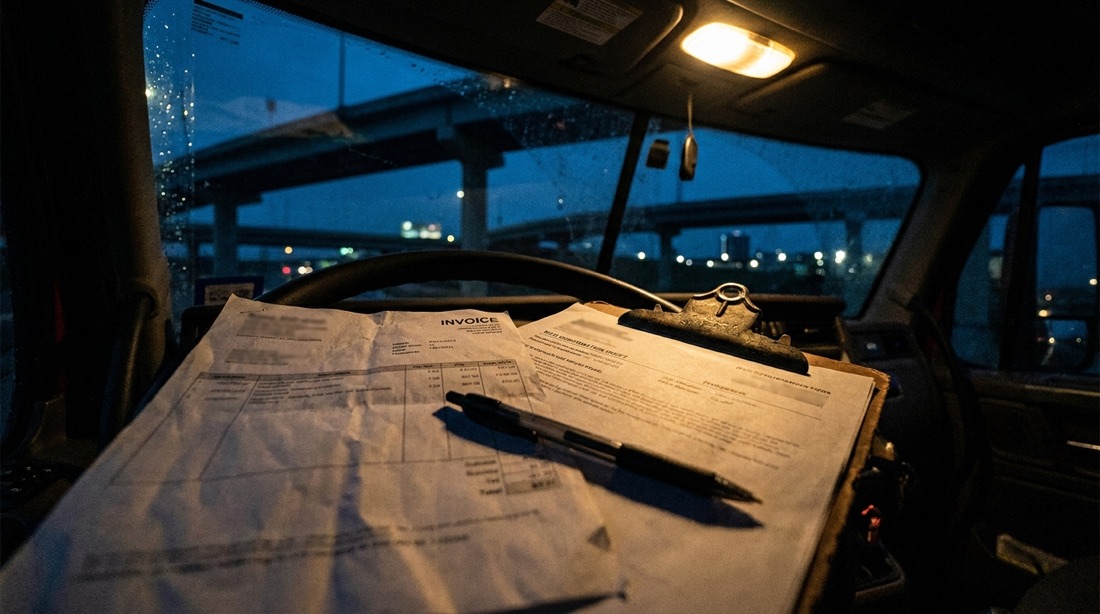
- You find the surety company — it's on the broker's FMCSA record — and file: rate con, signed BOL, invoice. Clean paperwork is the whole case.
- The surety investigates and pays legitimate claims from the $75,000.
No lawyer required for a straightforward claim. The paperwork you kept — or didn't — decides it.
The catch
Read that stat again. The bond is $75,000 total, and a broker going under usually owes a lot more than that to a lot more trucks than yours. When claims pile past the pool, everybody gets a slice instead of a check. First to file with clean paperwork does best; the driver who "gave them another month" splits what's left.
And the bond only covers a broker who doesn't pay — not one who pays slow, shaves a detention bill, or games you on rates. Slow-pay isn't a bond claim. Neither is anything you agreed to on the phone and can't show on paper.
What this means before you load
Check the bond before the truck moves — it takes thirty seconds and it's free. Invoice fast when the load delivers, keep every rate con and signed BOL where you can find it, and the moment a broker goes quiet on real money, file — waiting politely is how you end up splitting the pool. The bond is a floor under your invoice, not a guarantee on it. But you only get the floor if the paperwork was clean and you moved first.